Current Exhibitions
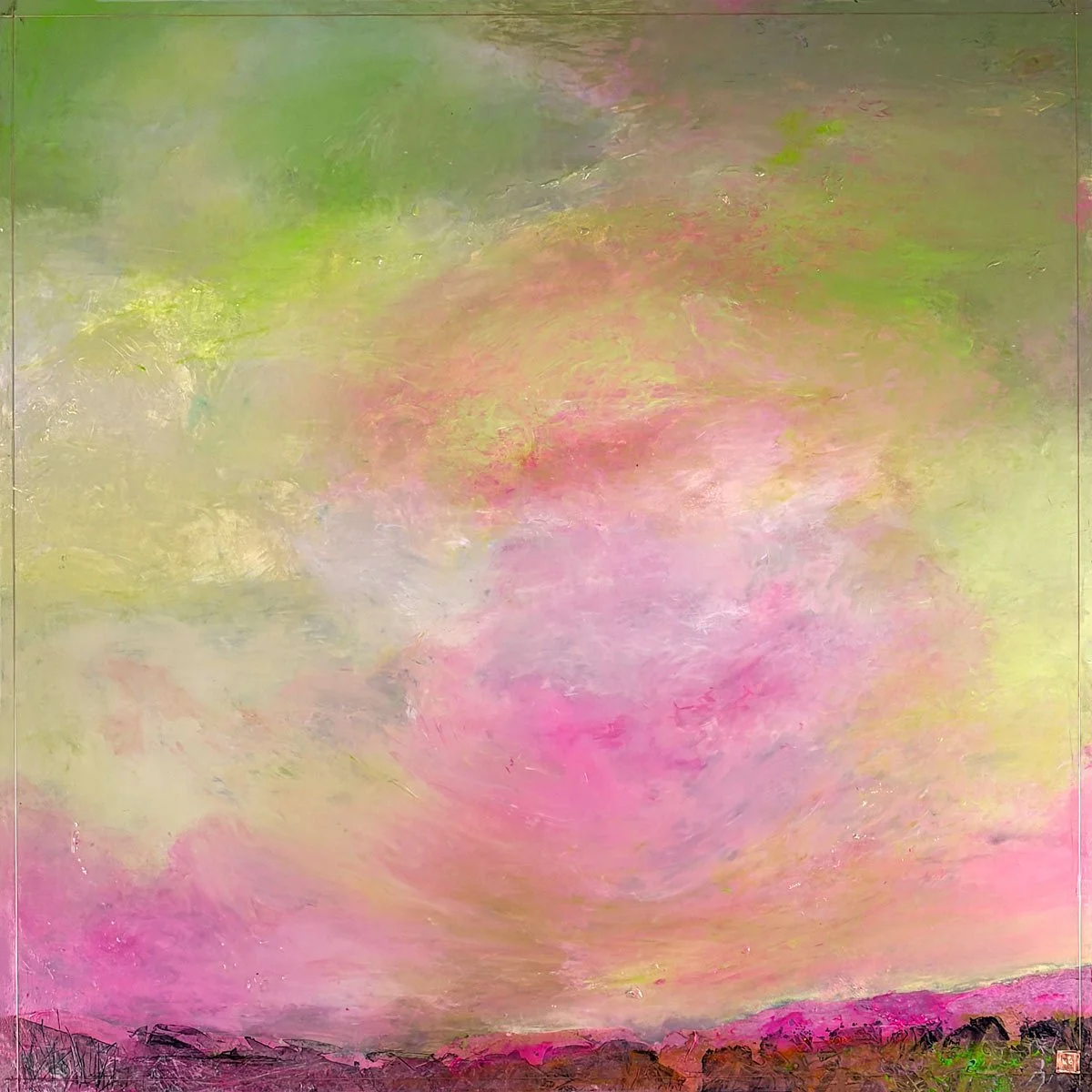
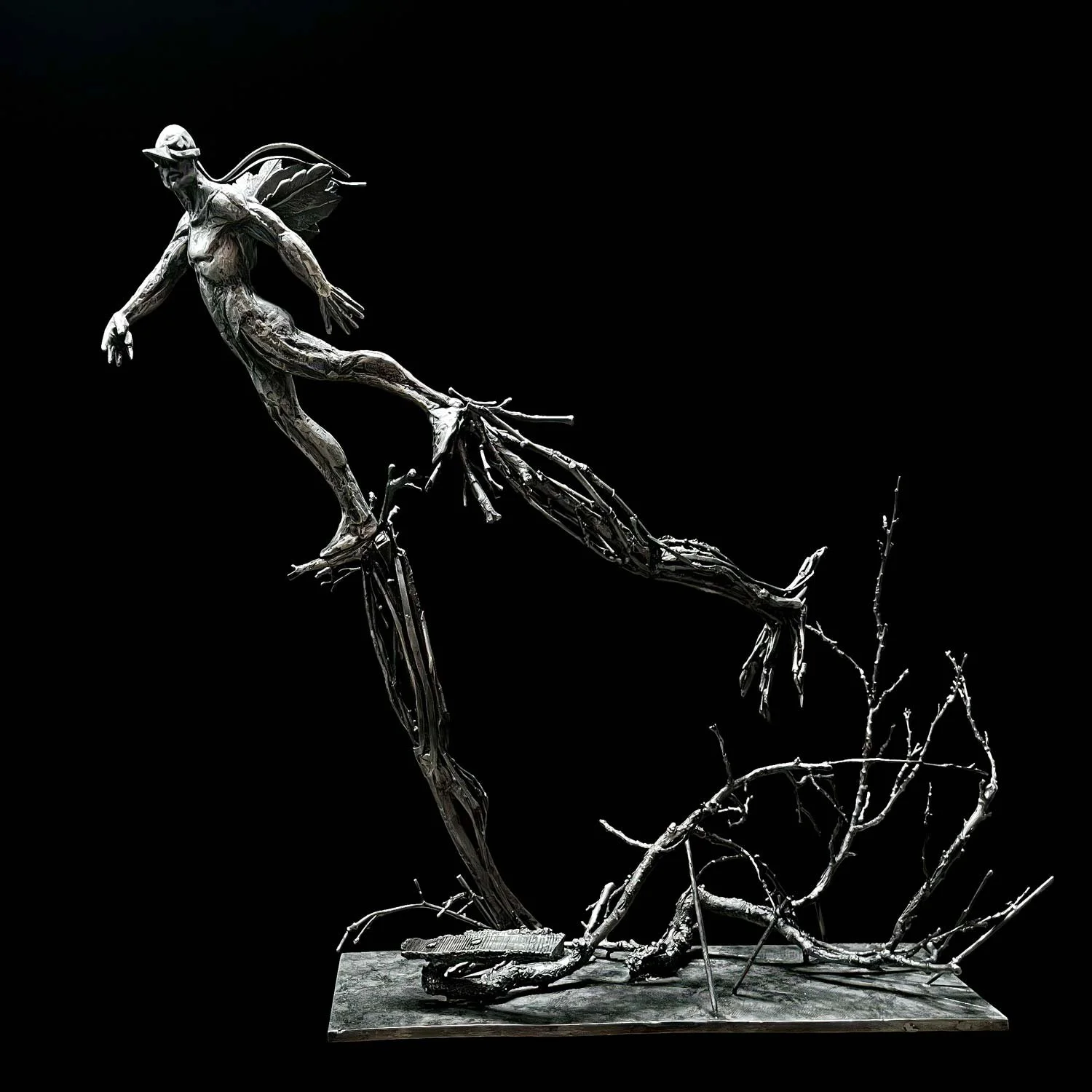
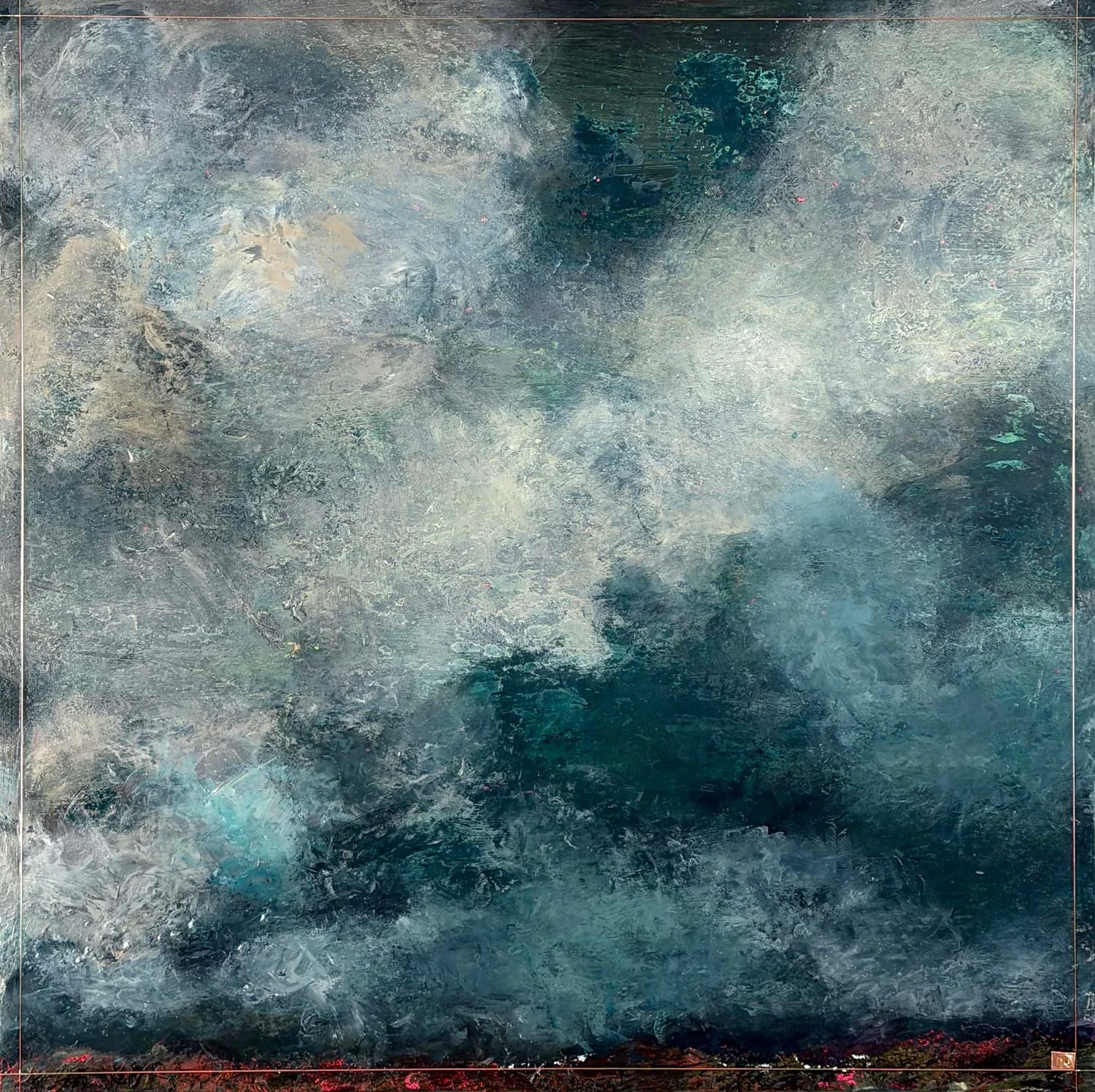
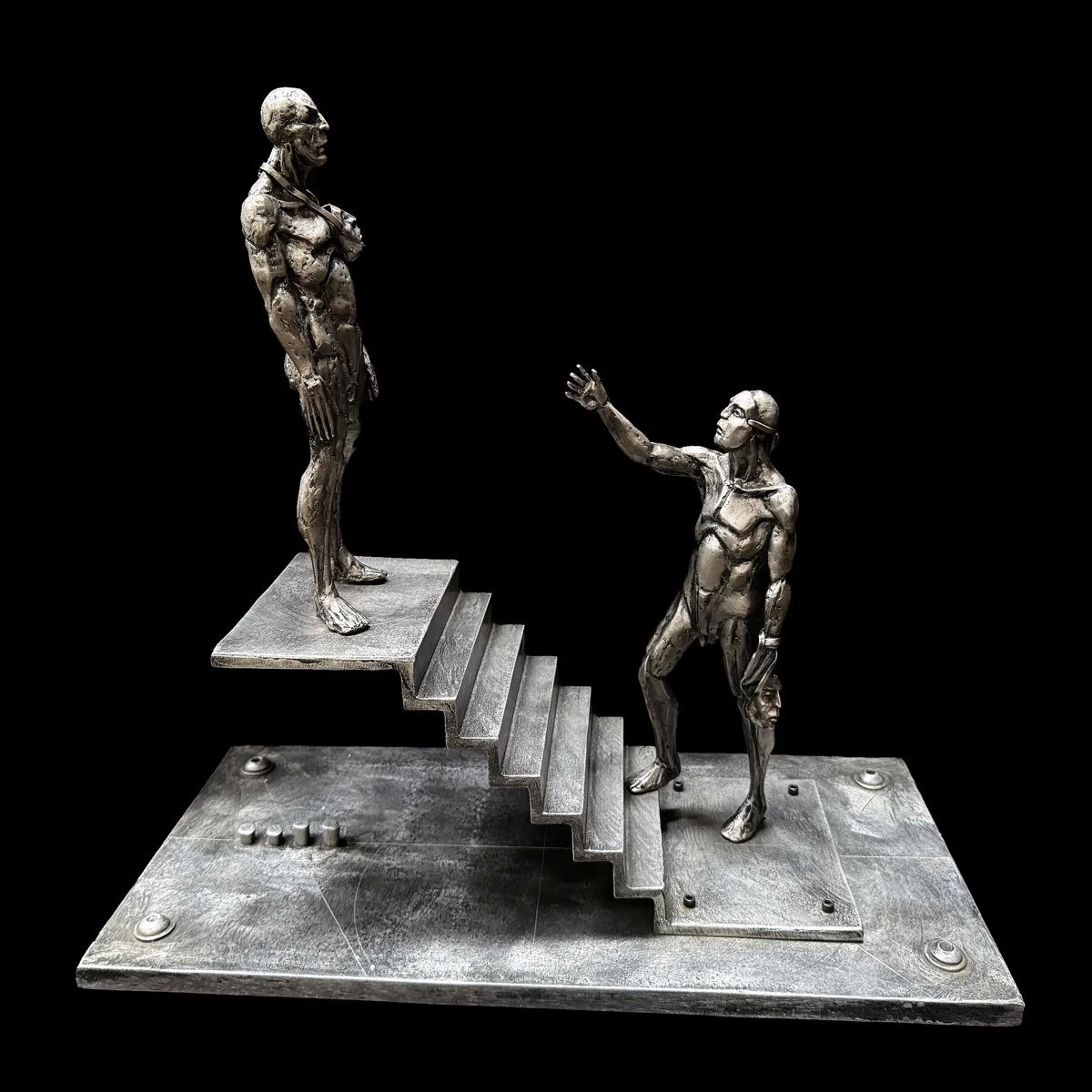
Wrona Gall and Ted Gall: Stories in Pigment and Metal
July 18, 2026, to November 8, 2026
Cousins by marriage, painter Wrona Gall and sculptor Ted Gall grew up only a few miles apart in Chicago. Today, they continue to live and work near one another in Ojai, California. Ted moved to Ojai with his family in 1988, and Wrona and her husband, Jim, followed in 2015.
As a child, Wrona often looked to the sky, studying the movement of clouds from her bedroom window. Their ever-changing forms hinted at the possibility of transformation and offered an escape from tensions at home. While dating Ted’s cousin Jim, Wrona visited an exhibition of Edward Hopper’s paintings at the Art Institute of Chicago and decided to become a painter. After earning her BFA and Master of Arts in Teaching from Beloit College in Wisconsin, Wrona and Jim married in 1970 and purchased an 8,000-square-foot industrial loft in downtown Chicago, where they lived and worked for the next 40 years.
Raised in a modest, working-class Chicago neighborhood, Ted Gall’s parents noticed his artistic ability early on and sent him to summer classes at the Art Institute of Chicago when he was 12. At 15, Ted’s uncle helped him secure a job delivering artwork for a commercial art studio. After graduating from high school, Gall found work as an animator and graphic designer. It was while taking night classes at the Art Institute and the American Academy of Art that he shifted his focus to sculpture.
In 1973, Ted became artist-in-residence at automotive gasket manufacturer Fel-Pro, Inc., in Skokie, Illinois, a position he held for the next twenty-two years. There, he transformed industrial scrap metal and automotive parts into sculptures and awards installed throughout the factory, displayed around the city, and presented to clients.
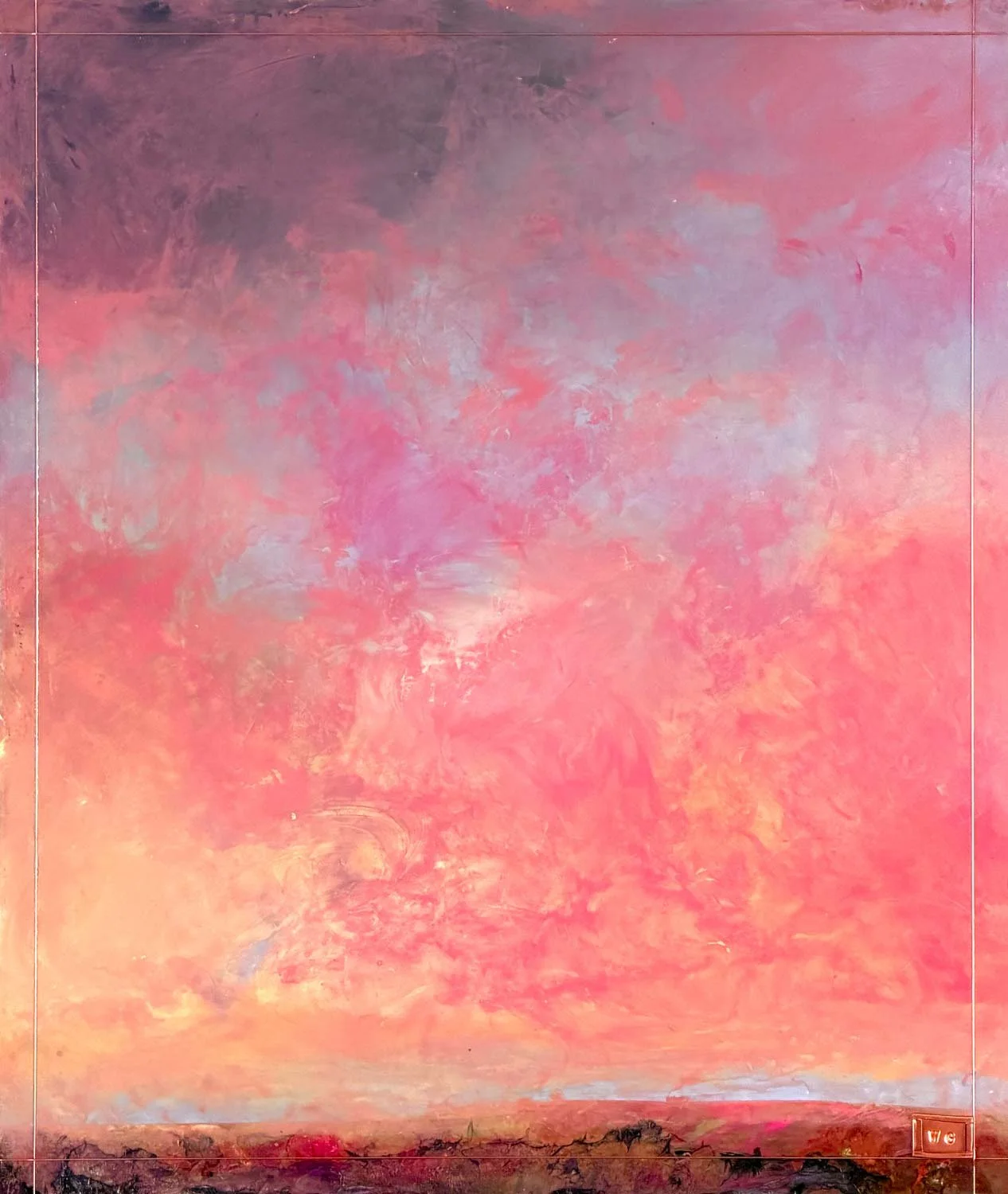
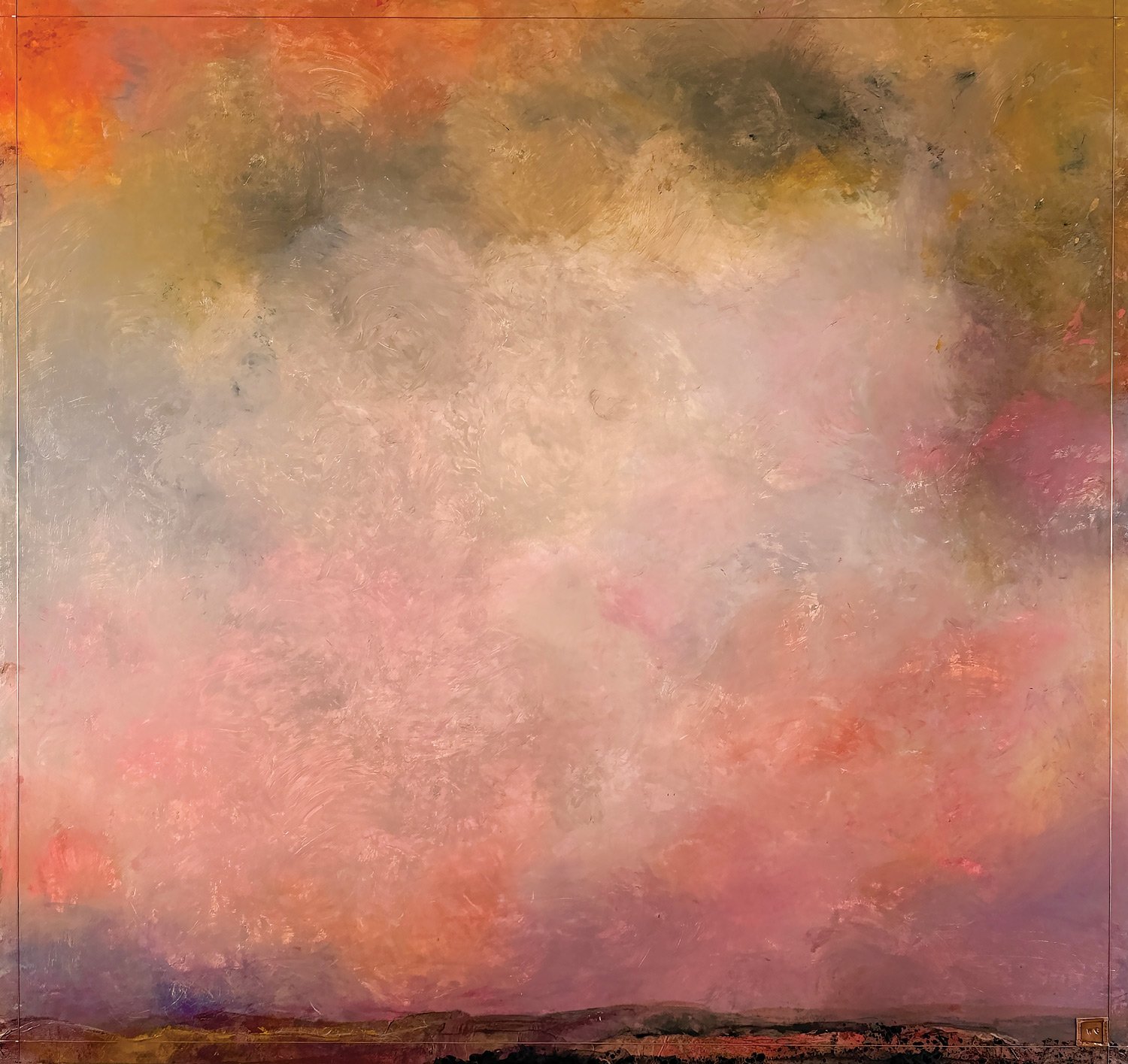
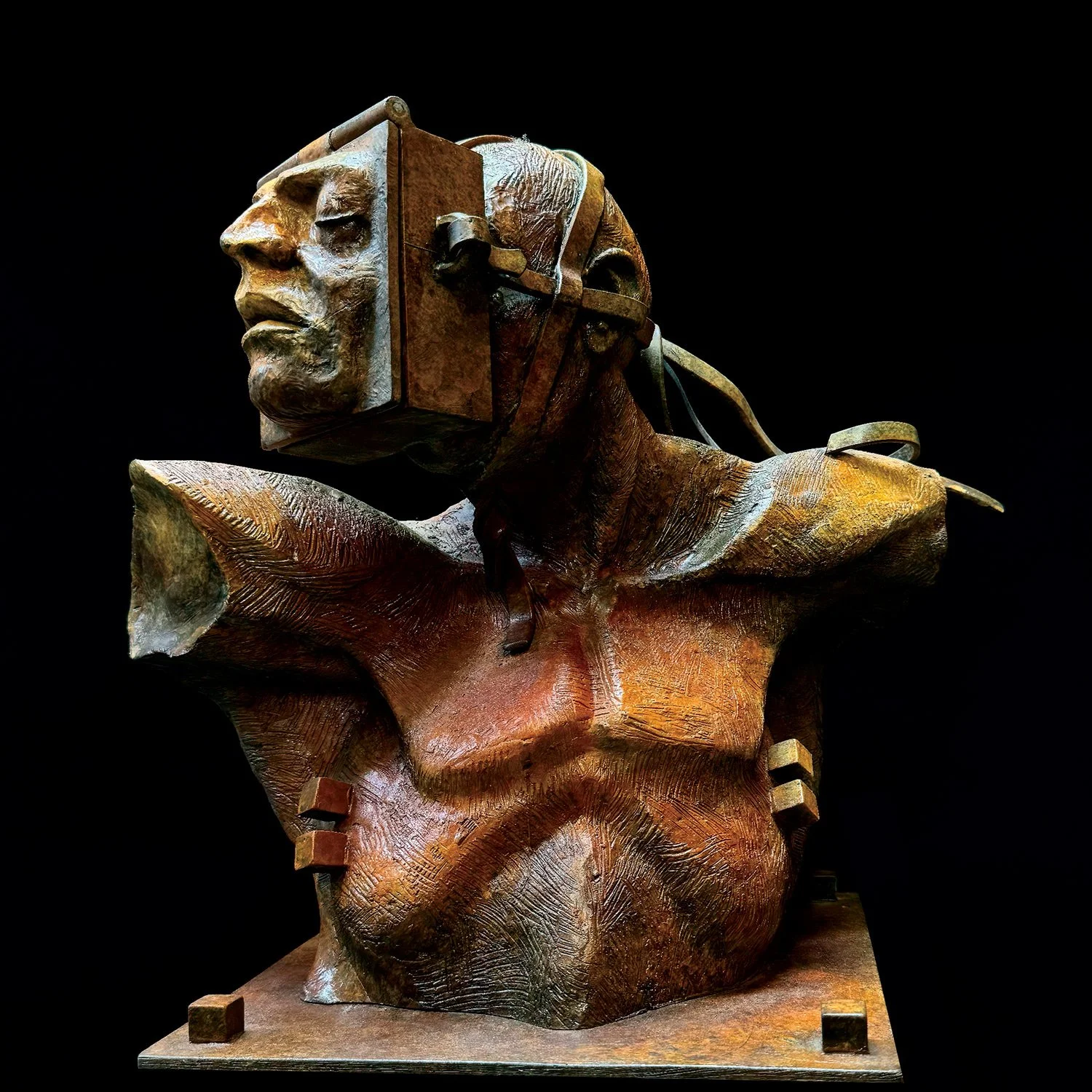
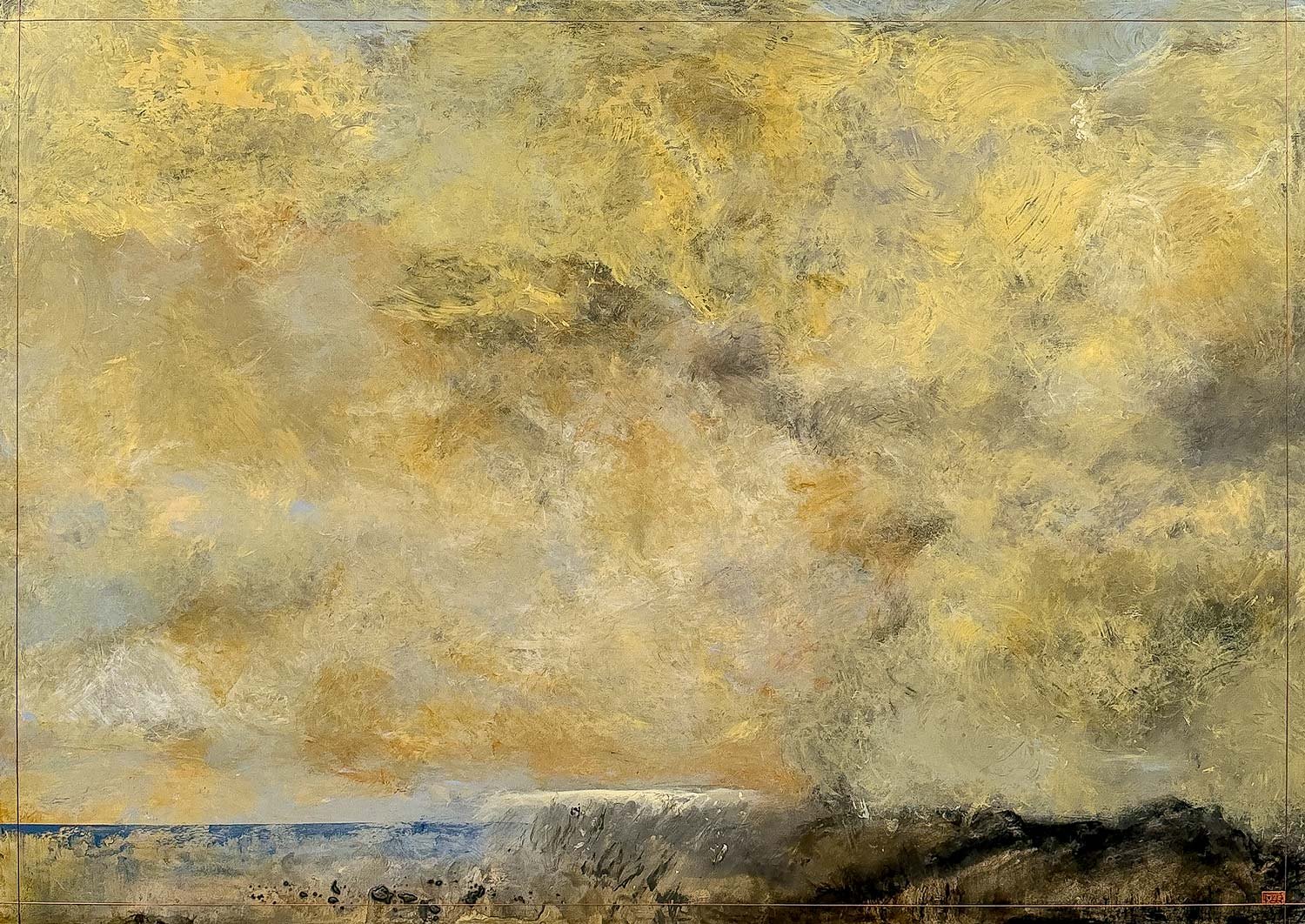
Though Wrona and Ted work in very different mediums, both artists embrace a deeply hands-on approach to making art. Wrona paints directly with her hands, often climbing atop her wood panels to build luminous, abstract cloudscapes with layers of acrylic paint. Ted sculpts his mythic figures in clay, wax, or welded steel before sending each model to a local foundry to be cast in bronze, aluminum, or stainless steel using the lost wax method. The casts are further refined, polished, and patinated in Ted’s studio. Many of his sculptures are interactive, with moving parts that are meant to be touched and manipulated.
Ted draws inspiration from imagination, mythology, and folklore. For Wrona, the sky is both muse and metaphor—a universal point of connection, a catalyst for memory, and a source of respite. Together, their work invites reflection on our relationships with ourselves, with nature, and with one another. Ultimately, both artists hope their work evokes your own memories, questions, and stories.
Below is a sampling of artworks featured in the exhibition. Click on any image to enlarge.

From the Collection: De Colores
September 2, 2026, to November 29, 2026
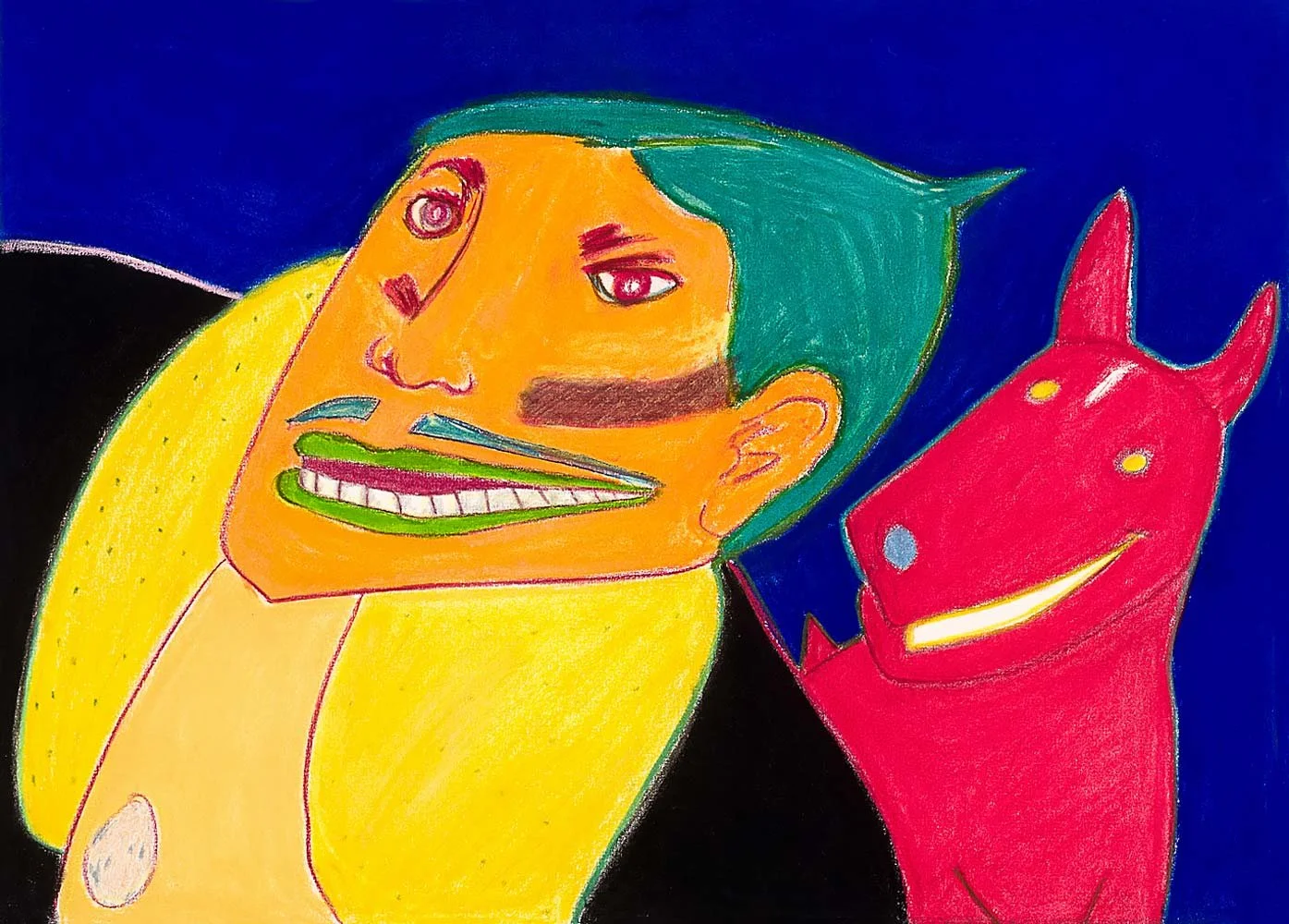
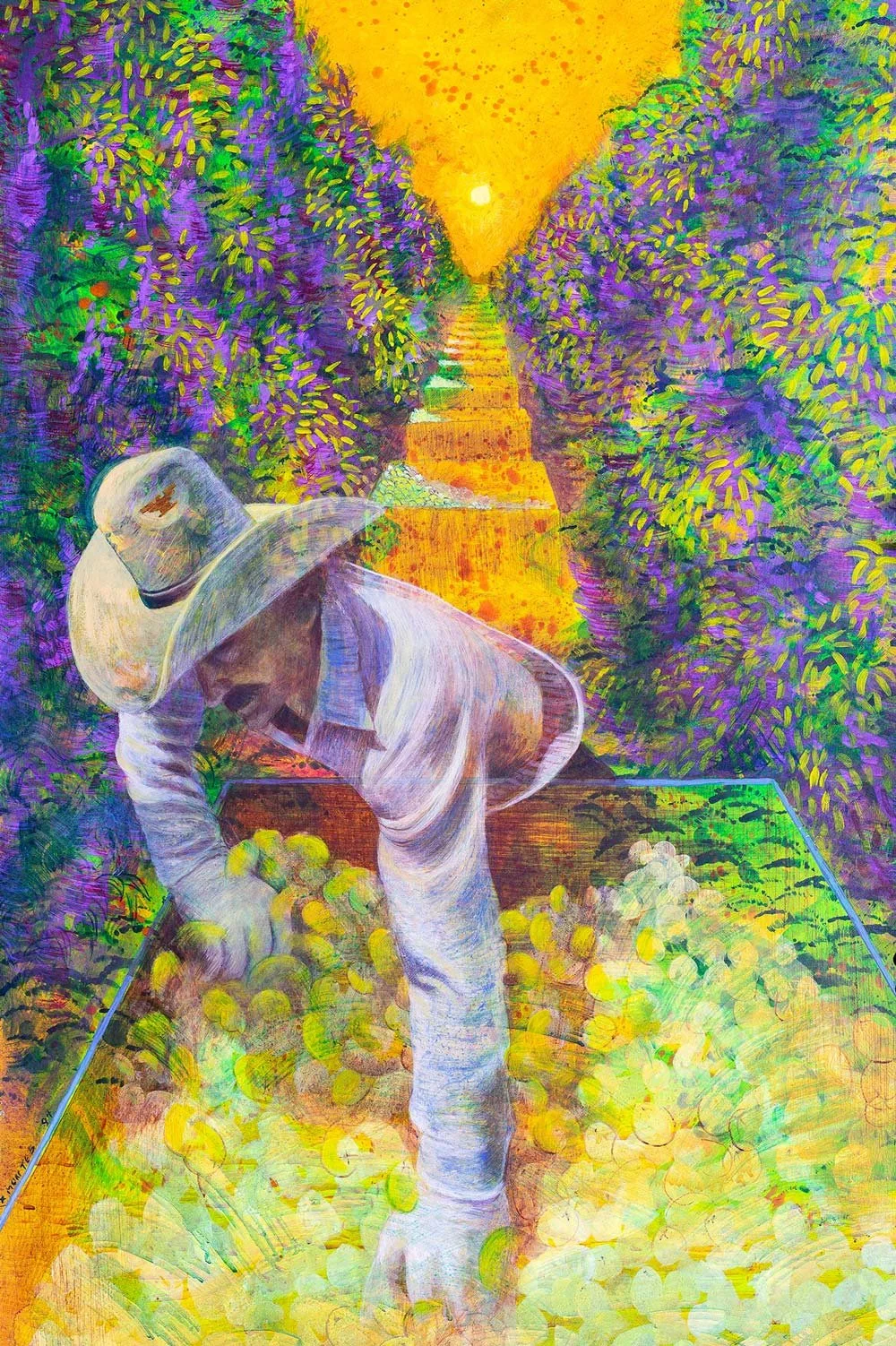
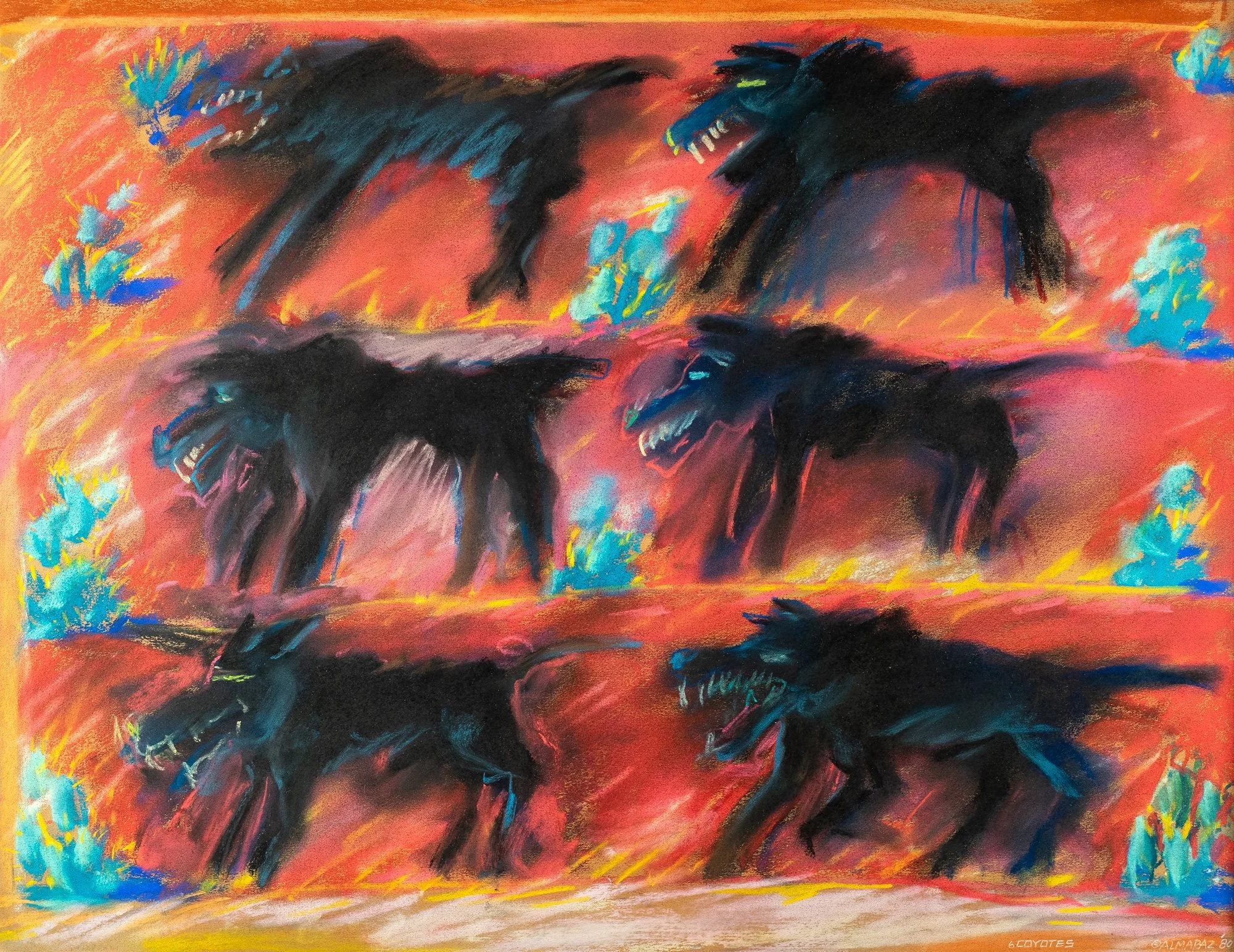
In honor of National Hispanic Heritage Month (September 15—October 15), this exhibition features works by Latino artists from the Santa Paula Art Museum’s permanent collection. The title of the exhibit borrows from the late Santa Paula artist Xavier Montes (1952–2020) and his long-running De Colores Art Show. He once explained: “The name of the show was chosen for its meaning: diversity, the idea that it takes people of all shapes, sizes, and colors to make the world the dynamic force that it is.” As a founding board member of the Santa Paula Art Museum, Montes encouraged the Museum to embrace that same spirit of diversity in building its collection.
De Colores features art by Cesar Aldana, Carlos Almaraz, Sergio Hernández, Gilbert “Magu” Luján, Miguel Ángel González Mesillas, Xavier Montes, Guillermo Silva Santamaria, and Eloy Torrez.